Participatory Arts in Acute Hospital Settings
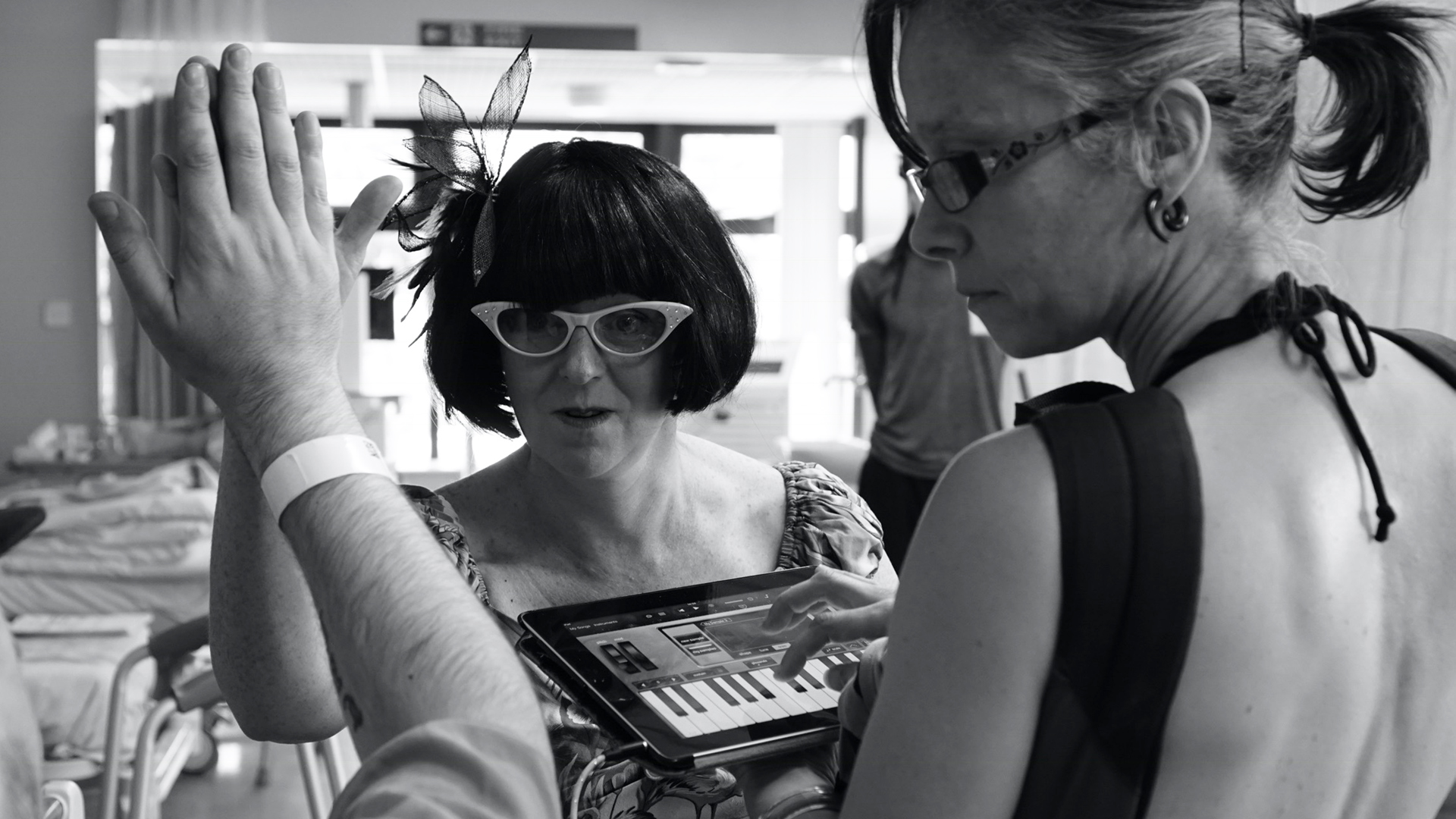
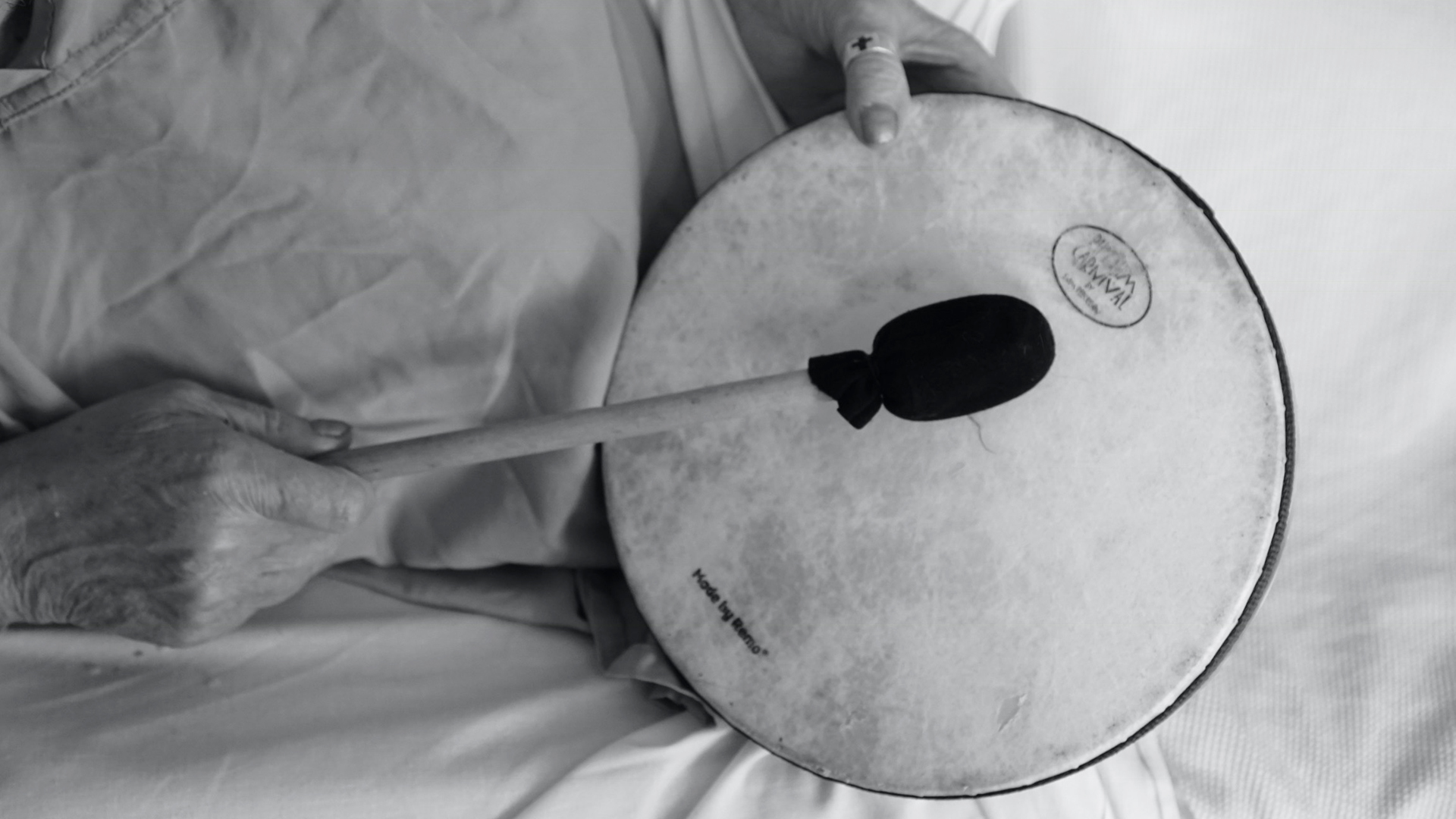
Lime has been delivering a multidisciplinary participatory arts programme in acute healthcare settings across MFT for many years. The programme aims to compliment excellent clinical care by providing high quality, accessible arts experiences into adult ward settings, enabling patients, visitors and staff to participate in music making, dance and visual arts.
Lime works with a cohort of skilled Music for Health Practitioners who work closely with nursing and therapy teams to deliver residencies addressing a range of complex needs including frail and elderly patients, those living with dementia, recovering from stroke, and in end-of-life care. For patients experiencing short, medium or long term stays, the arts help to humanise hospital life and bring a period of respite where patients can make creative choices and self-direct their level of engagement in an environment where they often lack self-determination.
The programme creates opportunities for social interaction between patients and can help improve mobility, provide cognitive stimulation and offer relief from anxiety, pain and stress by promoting relaxation. Benefits to staff include a reduced stress, improved morale and resilience at work, and better communication resulting in more person-centred care.
Music for Health Practitioners deliver between 10-15 sessions each week across MRI, Wythenshawe and Trafford, making a total of up to 400 sessions annually. The regularity and consistency of the sessions allow Practitioners to embed themselves within the hospital setting, with clinical teams often utilising their expertise. For example, Physiotherapists often ask Practitioners to join their sessions so that patients can respond directly to the live music often encouraging or prolonging movements more than recorded music can.
In 2025 Lime commissioned an external evaluation (Bowles) which assessed 10 sessions across 15 wards with 226 participants (156 patients, 51 staff, 19 visitors). Mood scores rose from 3 4 before music to 6 7 during sessions. Sixty-four percent of patients and visitors reached peak relaxation, and 65% showed strong positive distraction. Eighty percent of wards recorded improved atmosphere, calmer environments, better patient cooperation, and strengthened therapeutic relationships.
Developing a World Class Programme
Lime has created a pioneering, internationally recognised training model that prepares professional musicians to work with skill, sensitivity, and compassion in hospital environments. Developed over more than two decades in partnership with Musique et Sant (France), the programme blends artistic excellence with advanced interpersonal and reflective practice, setting a benchmark for music in healthcare.
Centred on four core pillars Artistry, Compassion, Reflection, and Inclusion the training equips musicians to respond confidently to the fast-changing demands of clinical settings. Through music, voice, and presence, practitioners learn to reduce anxiety, support communication, and bring humanity and connection to patients bedside experiences.
This rigorous, evidence-informed approach integrates mentoring, ward-based learning, and structured reflection. Widely recognised across the NHS for its innovation and impact, Lime s model enhances patient experience, supports staff wellbeing, and contributes to positive cultural change demonstrating the lasting value of embedding creativity within healthcare.
Project Partners: the Halle Orchestra, Manchester Camerata, Royal Northern College of Music, Company Chameleon and So Many Beauties. Lime also provides training and CPD opportunities for RNCM students and other musicians who would like to access this specialised work.
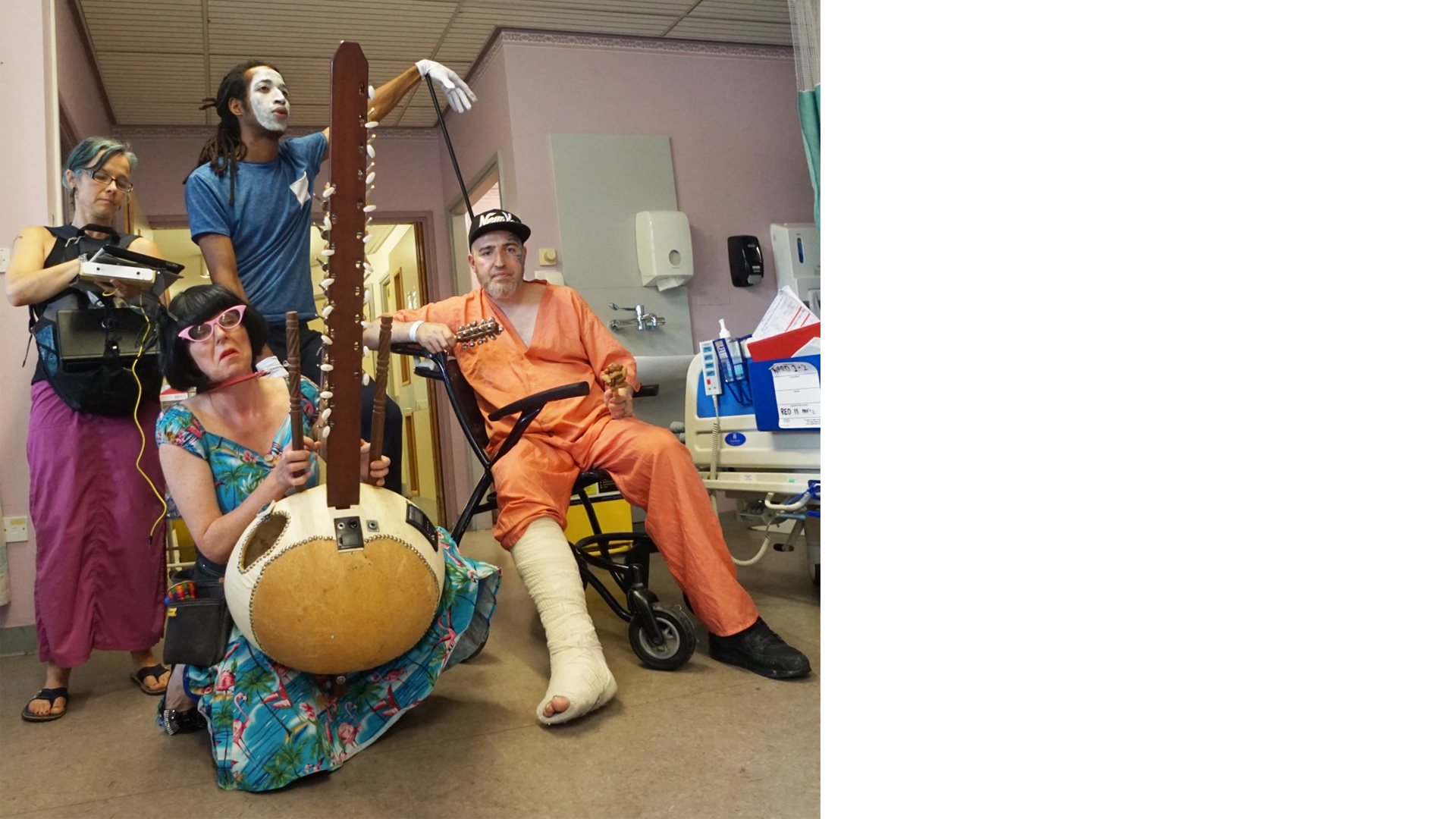
Music for Health Practitioners: Holly Marland, Rachel Fillhart, Martin Bickerton, Theresa Lipinski, Rebecca Guntren, Pete Robinson, Jodie Morgan and Deane Smith
This work is made possible through charitable funds and donations via the MFT Charity who have supported Lime’s visionary art and music programme for over 50 years recognising the value in the important work being provided.
“Thank you! I was feeling sad and in pain and suddenly a harp lady came with the cheeriest face and lovely sounds and brought a smile to my face – I loved it!”
Patient, MRI
“It is important to share the work that you (Lime) do, as it really does make a huge difference to our patients!”
Matron, Complex Medicine
“Dearest Holly & Teresa (&Kora) Your words & song help me celebrate, help me not to give up, and most importantly heal me! Thank you so much. Your music matters to me”
Patient, MRI
“Music is very good for the elderly; it enhances their mood and motivates them. Music is so helpful for patients who are refusing to take their medication, they can become very depressed, and the music changes them, it makes them more compliant, and it makes my job easier. The music helps make clinical care easier, but it also helps us to give the patients holistic care too.”
Senior Nurse, Wythenshawe Hospital